24/7 Hour
-
-
-
Delhi • Gurugram • Ahmedabad
24/7 Hour
Delhi • Gurugram • Ahmedabad
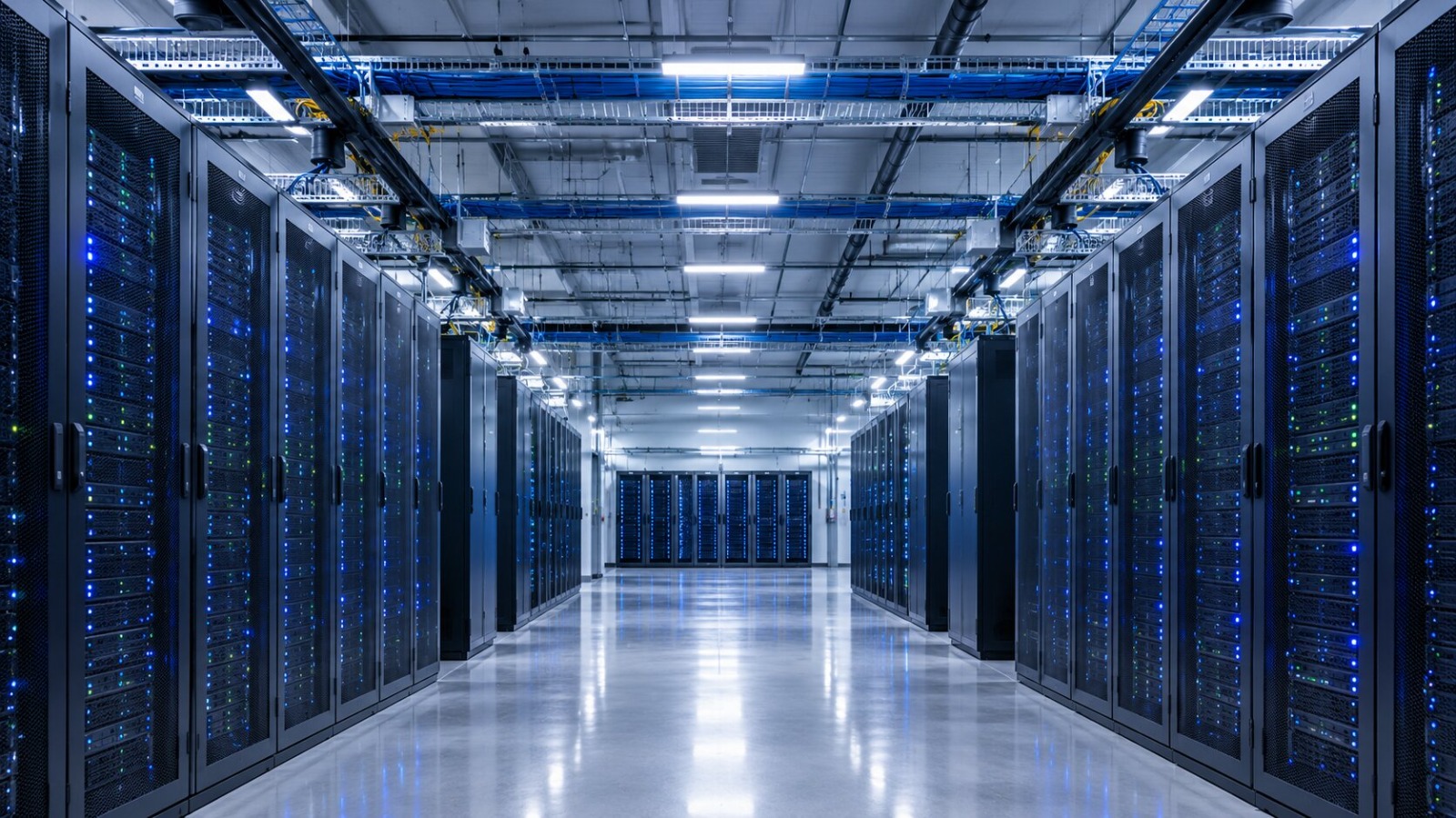
Tillman Global’s $10 billion investment refers to a reported data center investment programme across Maharashtra, Telangana, and Andhra Pradesh. The plans highlight India’s growing demand for artificial intelligence, digital infrastructure, and cloud computing. Dholera, Gujarat, is also attracting attention for industrial development, but any separate investment commitment specifically for Dholera requires official verification.
Founder of Vishall Landbase, with 26+ years of experience across real estate and land development.
India’s digital economy is growing, and businesses need more computing power, data storage and reliable digital networks to support their operations. Artificial intelligence (AI), cloud computing, online services, and enterprise software all depend on digital infrastructure. As demand increases, companies are announcing investments in facilities that can store, process and manage large volumes of data.
Tillman Global Holdings’ reported investment program of more than $10 billion has brought additional attention to India’s data center sector. The reported plans cover Maharashtra, Telangana, and Andhra Pradesh. Meanwhile, Dholera data center in Gujarat continues to attract interest because of its planned industrial development, transport infrastructure, and long-term commercial potential.
However, an investment announcement does not confirm that a project will be built in every location associated with a broader industry trend. Investors must distinguish between proposed projects, approved developments, construction activity, and operational facilities. This article examines the reported investment, India’s AI infrastructure plans, Dholera’s development potential, and the checks buyers should complete before purchasing property.
Tillman Global Holdings’ reported $10 billion investment programme focuses on data centre development across three Indian states. A January 2026 report by The Economic Times stated that the company planned to invest up to ₹60,000 crore in a proposed data centre project in Maharashtra, with a planned capacity of up to one gigawatt (GW).
The same report discussed planned projects in Telangana and Andhra Pradesh. It placed the combined investment across the three states at more than $10 billion.
The reported plans included a proposed 1 GW facility in Maharashtra, a 250-megawatt (MW) facility in Telangana, and a 300 MW facility in Andhra Pradesh. These figures describe announced plans, not proof that all the proposed capacity has become operational.
Large data centers require significant investment in buildings, electricity infrastructure, cooling systems, telecommunications, and security. Their development may also create demand for construction services, technical staff, equipment suppliers, and other supporting businesses.
However, the value of an announcement does not establish the project’s final outcome. Developers may still need to secure land, arrange funding, obtain statutory approvals, connect utilities, and complete construction. A memorandum of understanding (MoU) generally records an intention to cooperate; it does not necessarily mean that a facility is approved, under construction, or operational.
The reported program covers Maharashtra, Telangana, and Andhra Pradesh. It should not be presented as a confirmed $10 billion investment in Dholera unless the company or an authorized government body announces a separate commitment.
This distinction matters to property buyers. A major investment elsewhere in India may demonstrate growing demand for digital infrastructure, but it does not prove that the same company will establish a facility in Dholera.
Dholera is a planned industrial and urban development destination in Gujarat. Its long-term development is associated with manufacturing, infrastructure, logistics, and commercial activity. These sectors may create demand for digital services, although the development of a data centre depends on specific technical and commercial conditions.
Electricity is one of the most important requirements. Data centers operate continuously and need reliable power for servers, cooling equipment, and supporting systems. Developers must assess available capacity, connection arrangements, backup systems, and long-term reliability before selecting a site.
Telecommunications are equally important. Data centre operators need high-capacity network connections, suitable connectivity routes, and reliable service. A location’s general industrial potential does not automatically mean that it has the network capacity required by a large facility.
Water availability and cooling requirements also influence site selection. The amount of water needed depends on the facility’s design, cooling technology, operating capacity, and local conditions. Developers must assess resource availability, permissions, and operating costs.
Land suitability is another key factor. A site needs the correct permitted use, appropriate access and sufficient supporting infrastructure. Developers must verify land ownership, planning restrictions, and approvals before starting construction.
Commercial demand also matters. Operators consider their customers, operating costs, network requirements, and access to relevant markets. Dholera may attract interest as its industrial ecosystem develops, but each proposed project must meet its own requirements.
For investors, the practical question is not simply whether Dholera has industrial potential. It is whether the exact location has the legal permissions, utilities, connectivity and market demand needed for the proposed activity.
India’s AI ambitions are increasing the importance of computing infrastructure, data resources and digital connectivity. In March 2024, the Government of India approved the IndiaAI Mission with a budget outlay of ₹10,371.92 crore to strengthen the country’s AI ecosystem.
IndiaAI Mission Budget Outlay
Mission Approved by Govt. of India
Tillman Global Reported Programme
The mission includes measures related to computing capacity, AI innovation, access to datasets and the development of AI capabilities. These initiatives support the wider environment in which businesses and researchers can develop and use AI technologies.
AI applications can require substantial computing power, storage and reliable networks. Data centres can provide the infrastructure needed to process information, host applications and support cloud-based services. Different facilities, however, serve different purposes. Some support cloud platforms and enterprise systems, while others provide specialised computing capacity.
The IndiaAI Mission is relevant to understanding national technology policy, but it does not confirm that the government will fund or build a data centre in Dholera. A specific project needs its own verified announcement, approvals and development progress.
Dholera’s future opportunities depend on how industrial development, power infrastructure, telecommunications and commercial demand evolve. National investment in AI may support the broader sector, but it does not guarantee a particular outcome for a specific property or project.
A Tier IV data centre is designed to provide fault tolerance under the Uptime Institute’s data centre classification system. Its infrastructure is planned to maintain IT operations despite a qualifying equipment failure or interruption in a distribution path, subject to the applicable standard and certification requirements.
Data centre reliability matters because businesses may depend on these facilities for essential digital services. Operators plan electrical distribution, cooling and supporting systems to reduce the risk of disruption.
However, a facility is not automatically Tier IV because it has a large investment value or a high planned capacity. Certification claims require supporting evidence. Investors and readers should check the relevant documentation before describing a facility as certified.
It is also important to distinguish planned capacity from operational capacity. A proposed 1 GW data centre describes the intended scale of a project, but it does not prove that the facility has been completed or can currently deliver that capacity.
These distinctions help readers assess infrastructure announcements accurately. They also prevent technical claims from creating unrealistic expectations about a region’s readiness or investment prospects.
Dholera Aerocity’s potential should be assessed in relation to its exact location, approved land use, legal status and access to infrastructure. The wider development of Dholera may create opportunities for housing, hospitality and commercial services, but those opportunities depend on actual project progress and demand.
Industrial facilities may create employment during construction and operation. Workers, contractors and businesses may need accommodation, transport and daily services. If employment grows, suitable locations may experience greater demand for housing and supporting facilities.
The scale of that demand depends on the number of jobs created, the location of workers and the availability of local services. A project’s announced investment value alone does not establish future population growth or housing demand.
Hospitality and commercial services may also benefit from business travel and industrial activity. Hotels, restaurants, transport providers and other service businesses may find opportunities as projects advance. Yet investors should distinguish existing facilities from services that remain planned.
Transport infrastructure can influence accessibility. The Ahmedabad–Dholera Expressway and Dholera International Airport form part of the region’s wider infrastructure story. Their relevance to a property depends on the actual route, current project status and access from the specific site.
Land-use rules are equally important. Buyers should verify whether a plot lies within Dholera Special Investment Region (SIR), within another designated planning area or outside the relevant boundary. They should confirm the applicable development plan, permitted use and required approvals rather than relying only on promotional descriptions.
Data centre growth does not guarantee that every nearby plot will appreciate. Property prices also depend on legal clarity, location, supply, demand, purchase price and resale conditions. Any potential benefit must be assessed for the individual property.
Investors researching Dholera should follow several infrastructure and industrial developments rather than relying on a single announcement. Each project can affect the region differently, and its current status should be checked through official information.
Different projects may progress on different schedules. Investors should not assume that every part of Dholera will be completed at the same time or that all announced facilities will become operational as planned.
Investors should begin with legal due diligence and the applicable planning rules before considering expected returns. This process helps establish what they are buying, what they can legally do with the property and what risks may affect a future sale.
Dholera’s long-term outlook depends on industrial development, transport connectivity, utilities, planning and private investment. Semiconductor manufacturing, digital infrastructure and other commercial activities may contribute to economic growth as projects progress and businesses begin operating.
However, regional potential is not the same as a guaranteed return on an individual property. A plot’s performance depends on its legal status, location, permitted use, infrastructure access, purchase price and future demand.
India’s growing need for AI and cloud computing may support further investment in data centres. Companies will still choose locations according to technical requirements, commercial conditions and regulatory approvals. An investment announced in one state does not confirm a project in another.
Investors should follow official announcements, verify the relevant land documents and assess the property on its own merits. Careful research is more useful than relying on promotional claims or assuming that a major announcement will automatically increase local property prices.
Tillman Global’s reported investment programme highlights the growing importance of data centres in India’s digital economy. Dholera may present opportunities as industrial and infrastructure projects develop, but the reported investment should not be treated as confirmation of a data centre commitment in the region.
A sound property decision requires verified project information, clear legal documents and realistic financial expectations. Before purchasing land in Dholera or Aerocity, investors should confirm the location, review approvals and assess the property independently.
Get information on residential and commercial plots at competitive prices from Vishall Landbase.
View Project DetailsTillman Global Holdings’ reported investment programme covers planned data centre projects across Maharashtra, Telangana and Andhra Pradesh. A January 2026 report placed the combined investment above $10 billion. This figure should not be presented as a confirmed investment exclusively for Dholera without a separate official announcement.
Explore the location, verify the documents, and assess the future connectivity before investing in your Dholera plot.
Connect with Vishall Landbase to get detailed project information, site visit assistance, and document verification support.
Contact Us Today